
- Research the local rental market: Compare neighborhood rents, vacancy trends, property taxes, and tenant demand before purchasing an investment property in Milwaukee.
- Complete due diligence before closing: Verify rental income, inspect major systems, review leases, and confirm applicable lead safety and code compliance requirements.
- Plan for long term management: Budget for maintenance, vacancies, and operating expenses, and consider Bartsch Management for professional property management and rental market assessments.
Buying an investment property in Milwaukee can be a great opportunity, but choosing the right property takes more than comparing prices and estimated rents.
You need to evaluate the neighborhood, verify rental income, inspect the building, and understand your responsibilities as a landlord.
Bartsch Management created this guide covering the essential steps to help you evaluate a Milwaukee rental property and make a more informed investment decision.
Ready to Take the Next Step?
Understand the Milwaukee Rental Market
Milwaukee offers opportunities for investors interested in duplexes, single-family rentals, upper and lower flats, and small multifamily buildings. However, rental demand and vacancy rates vary by neighborhood, property condition, and rental price.
Rather than relying on metro-wide averages, research comparable rentals in the specific area you're considering to identify the best areas to invest in Milwaukee.
Look at current asking rents, recently leased properties, vacancy periods, and the condition of competing units to evaluate rental demand and potential returns.
Also, account for concessions and potential maintenance expenses when estimating income. A property that looks profitable based on its advertised rent may deliver lower returns once vacancies and operating costs are included.
The goal is to establish a realistic rental estimate before making an offer, not simply rely on the seller's projections.
Choose the Right Milwaukee Neighborhood
Location plays a major role in tenant demand, rental income, and long-term property performance.
Consider these Milwaukee neighborhoods and nearby communities:
- Bay View and the East Side: These areas attract renters looking for walkability, restaurants, and access to downtown.
- Walker's Point and the Historic Third Ward: These neighborhoods may appeal to young professionals seeking nearby employment, dining, and entertainment.
- Washington Heights and Story Hill: Duplexes and traditional residential properties can appeal to renters looking for quieter neighborhoods.
- University areas: Properties near Marquette University, UW-Milwaukee, and MSOE may attract students and university employees. Consider academic calendars and seasonal turnover when estimating occupancy.
- West Allis, Wauwatosa, Greenfield, and Oak Creek: These surrounding communities offer additional opportunities for investors seeking properties outside Milwaukee proper.
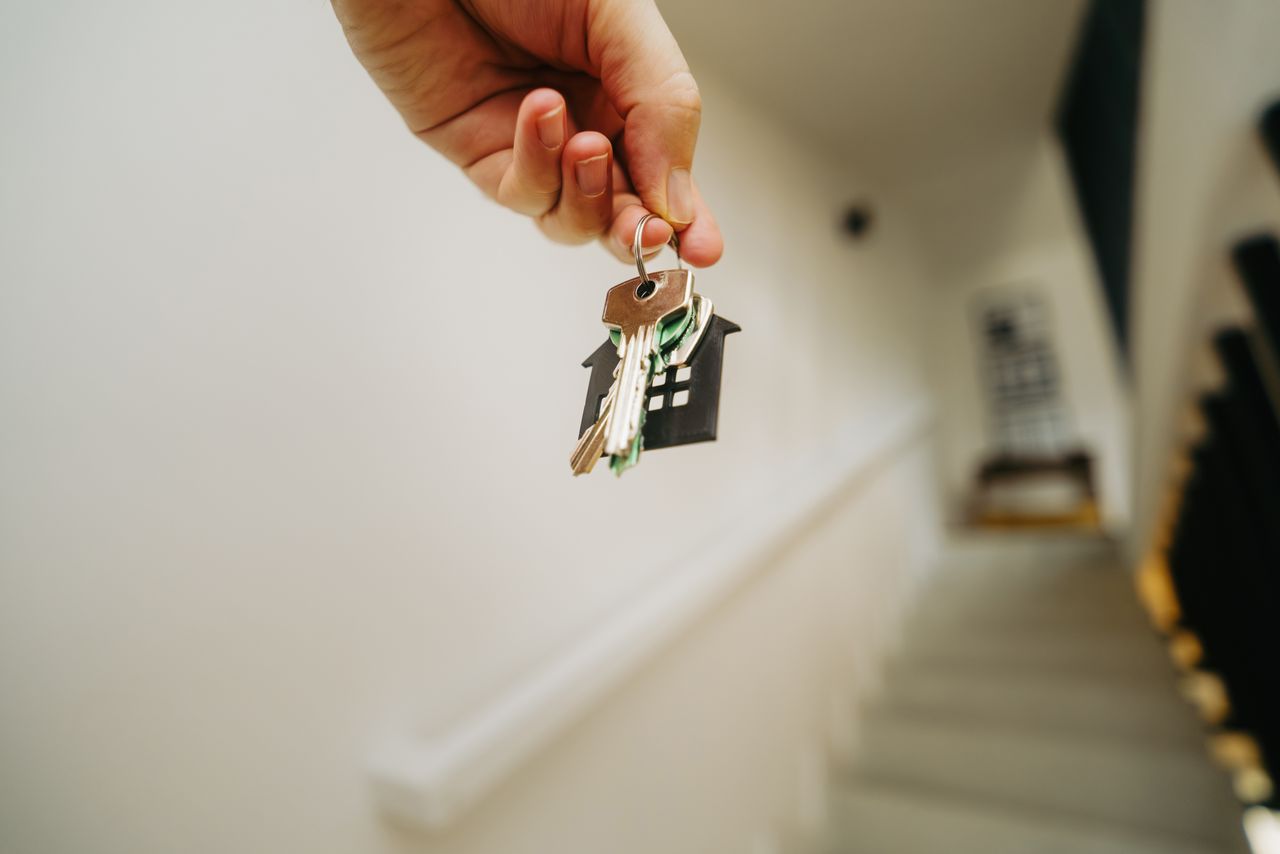
Before purchasing, consider the key reasons to invest in Milwaukee real estate, including affordable property prices, rental income potential, neighborhood growth, and local rental demand.
Compare property taxes, insurance costs, neighborhood conditions, and expected rental income to determine whether a property offers long-term value.
A lower purchase price doesn't automatically mean a better investment if ongoing expenses are higher or tenant demand is weaker.
Understand Local Employment and Rental Demand
Rental demand depends partly on the strength of the local economy. Milwaukee has major employers in healthcare, education, manufacturing, finance, and professional services.
These industries help support a diverse renter base, but economic conditions can change. Job losses, higher living costs, and new apartment construction may affect how quickly a property leases and how much rent tenants can afford.
When evaluating a potential purchase, consider who is most likely to rent the property. A home near major employers may appeal to working professionals, while a property near a university may suit student renters or university staff.
Match the property's size, condition, location, and price to the needs of its likely tenants. Avoid assuming that rents will continue increasing every year.
Secure Financing and Calculate Your Costs
Investment property financing differs from financing a primary residence. Lenders may require a larger down payment, charge different interest rates, and evaluate rental income when reviewing your application.
Local lenders may also have experience financing Milwaukee duplexes and smaller multifamily properties.
Before committing to a purchase, calculate your expected monthly cash flow using realistic figures for:
- Mortgage payments and interest.
- Property taxes and insurance.
- Routine maintenance and major repairs.
- Vacancy and tenant turnover.
- Property management fees.
- Utilities and other owner-paid expenses.
For multifamily properties, review the actual rent roll and operating history. For larger buildings, lenders may place particular emphasis on existing rental income and documented expenses.

Use independently verified rental estimates rather than relying solely on the seller's projected income. This helps you determine whether the property can meet your investment goals.
Want More Information?
Learn More About Our Property Management Services Contact Us
Follow This Rental Property Due Diligence Checklist
Before closing, verify the property's financial, physical, and legal condition. Skipping these steps can leave you responsible for expensive repairs or unresolved compliance issues.
- Verify rental income. Request the rent roll, copies of existing leases, and supporting payment records. Confirm that reported income reflects actual collections rather than estimated market rents.
- Check lead safety requirements. Older Milwaukee properties may contain lead based paint. Confirm applicable lead hazard control and disclosure requirements before renting a property.
- Review inspection records and code violations. Check for outstanding building violations, required inspections, and any rental registration or licensing obligations that apply to the property.
- Examine leases and security deposit records. Review existing lease terms, tenant disclosures, and deposit records. Wisconsin law imposes specific landlord obligations, including rules for returning security deposits.
- Inspect the entire building. Look beyond cosmetic updates. Pay close attention to roofs, foundations, plumbing, electrical systems, furnaces, boilers, and windows.
- Review property tax history. Taxes can significantly affect cash flow. Use the property's actual tax information rather than estimates from a different municipality or neighborhood.
- Budget for Wisconsin winters. Older heating systems, frozen pipes, roof problems, and ice dams can create expensive emergencies. Include seasonal maintenance and potential capital improvements in your budget.
A professional inspection and careful document review can help you identify problems before they become your responsibility.
Screen Tenants Carefully
Even a well-located property can become a financial burden if tenant screening and lease administration are handled poorly.
.jpg "pexels-edmond-dantes-4342496%20%281%29")
Establish consistent screening criteria that comply with fair housing laws. Depending on applicable requirements and your screening policy, this may include verifying income, reviewing rental history, confirming employment information, and conducting lawful background and credit checks.
Evaluate each application consistently and document your decisions. Clear lease terms, timely communication, and an organized rent collection process also help reduce avoidable disputes.
Remember that tenant screening isn't just about finding someone who can pay the rent. It's about establishing a reliable rental relationship while following applicable laws.
Contact Us Today to Get Started!
Consider Professional Property Management
Purchasing a rental property is only the beginning. Managing it requires ongoing attention to rent collection, maintenance, tenant communication, inspections, and financial reporting.
Bartsch Management works with owners of single-family rentals, duplexes, upper and lower flats, small multifamily properties, and apartment buildings across Milwaukee County and surrounding southeastern Wisconsin communities.
Our approach includes:
- Direct communication: Each owner has a named property manager with a direct phone extension and email address.
- Online owner reporting: Access financial information, rent rolls, and collection status through the owner portal.
- Resident convenience: Residents can pay rent and submit maintenance requests online.
- Maintenance support: A 24/7 maintenance line helps residents report issues, with a 24 to 48 hour target for non-emergency requests.
- Transparent fees: Management costs are outlined in a written proposal before you sign.
- Sales support: Our in-house brokerage capabilities can help owners who eventually decide to sell.
- Professional management can be especially useful if you live outside Milwaukee, own multiple rentals, or want to spend less time coordinating daily operations.
Make Your Milwaukee Investment Decision With Confidence
Buying investment property in Milwaukee requires careful research, realistic financial projections, and a thorough review of the building. The right neighborhood, verified rental income, and a clear understanding of operating expenses can help you avoid costly surprises.
Before closing, inspect the property, review its leases and compliance records, and calculate cash flow using realistic assumptions. Then decide whether you'll manage the rental yourself or work with a professional management company.
Bartsch Management has helped southeastern Wisconsin property owners manage rentals since 2013. Whether you're purchasing your first duplex or expanding an existing portfolio, our team can help you understand the responsibilities of rental ownership and plan for long-term property performance.
Contact Bartsch Management to discuss your investment property and learn how professional management can support your goals.
Frequently Asked Questions
What vacancy rate should I use when evaluating a Milwaukee rental?
Vacancy varies by neighborhood, property type, and condition. Use comparable rentals and a property specific market assessment to estimate realistic income.
Do older Milwaukee duplexes have lead paint requirements?
Yes. Pre 1978 rentals may be subject to lead safety requirements. Verify applicable regulations and required certifications before closing.
Should I invest in Milwaukee or the suburbs?
Both offer opportunities. Compare purchase prices, property taxes, rental demand, and operating costs in areas such as West Allis, Wauwatosa, and Oak Creek.
How much do I need for a down payment?
Conventional investment property loans often require 20% to 25% down. Requirements vary by lender and property type, especially for larger multifamily buildings.
Can Bartsch Management help me evaluate a rental before buying?
Yes. Bartsch Management offers market assessments to help investors estimate rental income and evaluate a property's potential.
Ready to Invest With Confidence?
Make informed decisions with realistic rental estimates and a clear understanding of your costs. Contact Bartsch Management at 414-763-7160 or info@bartschmanagement.com to request a free market assessment before you buy.
